 This is Johanna Rothman’s May 2026 Create an Adaptable Life Newsletter. The Unsubscribe link is at the bottom of this newsletter.
I’m in the midst of a gigantic life roll. That’s the name for when life picks you up, rolls you in a carpet, and throws you off a cliff, bumping down rocks all the way to the ocean. (My fiction teachers, Dean Wesley Smith and Kristine Kathryn Rusch, coined that term.)
In the Satir change model, it’s a Foreign Element. (See How Do You Manage When “Everything” Is In Chaos? for a fuller explanation of the model.)
I know about foreign elements. I’ve lived with a rare motor neuron disease, Primary Lateral Sclerosis, since 2009. (That’s why I use a rollator to walk.) PLS wasn’t going to kill me. It just made life way too interesting.
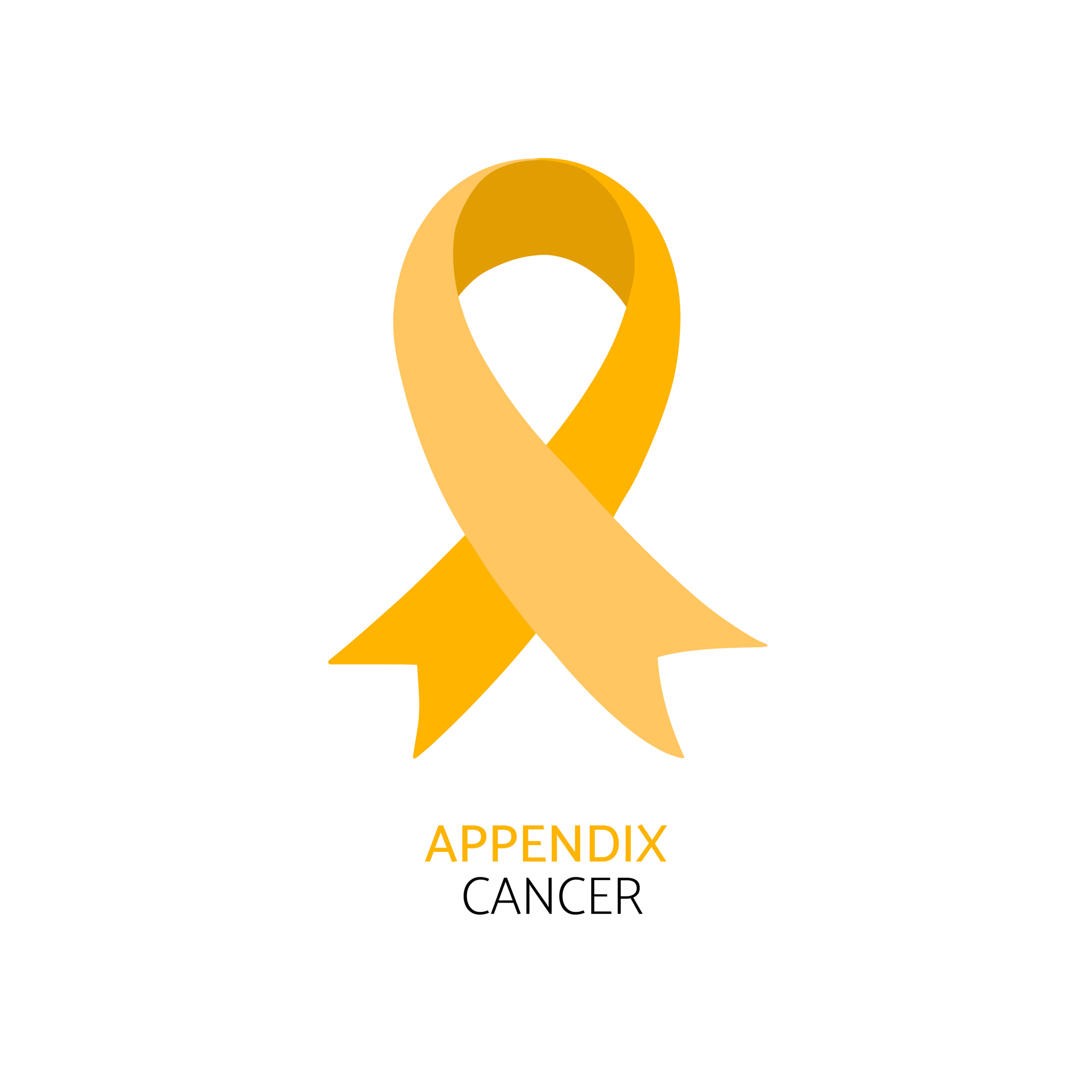
But, this life roll is different. I have appendix cancer that has metastasized across my abdomen. Cancer is bad. Metastasized cancer is Bad. Also, this is a rare and extremely aggressive cancer. Rare cancers mean there is insufficient data to know exactly which way to proceed.
Life rolls require options, which means I needed to ask questions.
“Why Me” Questions Are Useless and Do Not Offer Options
“Why did this happen to me?” is a backward-looking question. It rarely offers options to consider the future. That said, I have had genetic testing, mostly so my children know their options for the future. But asking “why is this happening to me?” There’s no good reason. There is nothing we know of that would have allowed me to avoid appendix cancer.
(Oh, and don’t get me started on “God’s will” or “we only get things that make us stronger.” That’s total nonsense and rooted in superstition. I am not superstitious. If you feel that way, fine, but please keep that to yourself.)
But questions can prompt us to get new information. And with a big life roll like this, we need new information.
Let’s start with the fact that our bodies are complex adaptive systems. That means we can use Cynefin to frame our thinking and possible actions to create new options.
Complexity Requires Probes and Experiments

I explained a bit about the Cynefin framework in Are We Biased to the Simple or Complex? As soon as we think there is a straightforward answer, we stay in the Obvious or the Complicated areas.
For example, I’ve worn eyeglasses since the third grade. Once I realized other people could see (!), there was an Obvious solution: get glasses. Many broken bones or muscle strains fall into the Complicated part of Cynefin. (Not all, but most.) You go to an orthopedist, get a cast or brace, heal, and then finish with physical therapy. It’s not fast and requires work, but most of us regain all of the functionality we temporarily lost.
But aggressive cancer is definitely in the Complex part of the framework. I like to think that all the testing I had in March and April offered information in the form of probes. (Especially those biopsies.)
That’s when “Now What” ruled my life.
“Now What” Questions & Answers Offer More Information
For weeks, the medical schedulers ruled my life. They told me where to go for which tests. In one sense, it was great. I felt as if we were discovering more information with every scan and every test. (I would have been happy to avoid the endoscopy/colonoscopy day, but that did show all clear, so I’m glad I know.)
In another, very real sense, I had little control over my life. The schedulers had all the control, and most of the time, Mark had to drive me. (Many tests required some sedation.)
We needed all the possible information, especially since my cancer is so rare. What was my reality? How could we make the “right” or “best” possible choice for me? (There are two schools of thought for appendix cancer: chemo first, then surgery. Or surgery first, then chemo. I’m doing chemo first.) That’s why the probes were so helpful, offering me a real diagnosis and a way forward.
Now, I get to “graduate” to the What’s Next questions.
What’s Next for the Short and Long Terms
I am at a great point in my treatment. We do not need to answer more “Now What” questions for a while. I have a port that makes chemo much more convenient. My abdominal pain is way down, which allows me to concentrate for longer.
I get to see my reality and make some small plans for the future.
One of the questions the nurses ask when we go for chemo is, “Are you retired?”
The answer is a resounding “NO.” I have too many books to write. I am still doing trusted advisor work.
While my body is in “kill cancer cell mode,” I am in “create as much and as fast as I can” mode.
See? That’s the aggressive part of me coming out.
Help You Can Offer Me
I believe in support systems. You, because you read this blog, are part of my support system. Thank you.
I will happily take all the “kill cancer cell” thoughts you are willing to send.
On the other hand, please do not tell me that I got this. (Read Why Is “You Got This” So Evil?) I definitely do not “got this.” I have attitude, the same aggressive attitude that has served me well so far in life.
The big thing? Please keep reading what I write. I might use cancer as an example, but I expect to use everything I have learned about adaptability, resilience, and perseverance to ask more questions.
Questions help us create more options. That’s the essence of adaptability.
Announcements…
I am close to getting Effective Public Speaking out in all formats and on my store. Now that I am not at the mercy of the schedulers, I might be able to do that this week!
Read More of Create an Adaptable Life
New to the newsletter? See previous issues. (I post these newsletters to my YouTube Channel a few days after I send them.)
Here are other links you might find useful:
- Create an Adaptable Life Blog to see the weekly question of the week.
- My Books.
- My store.
- Managing Product Development Blog
- Johanna’s Fiction
- Tip Jar. (My newsletters will remain free. And I do want to offer you an option for you to show how much you value my work.)
Till next time,
Johanna
© 2026 Johanna Rothman